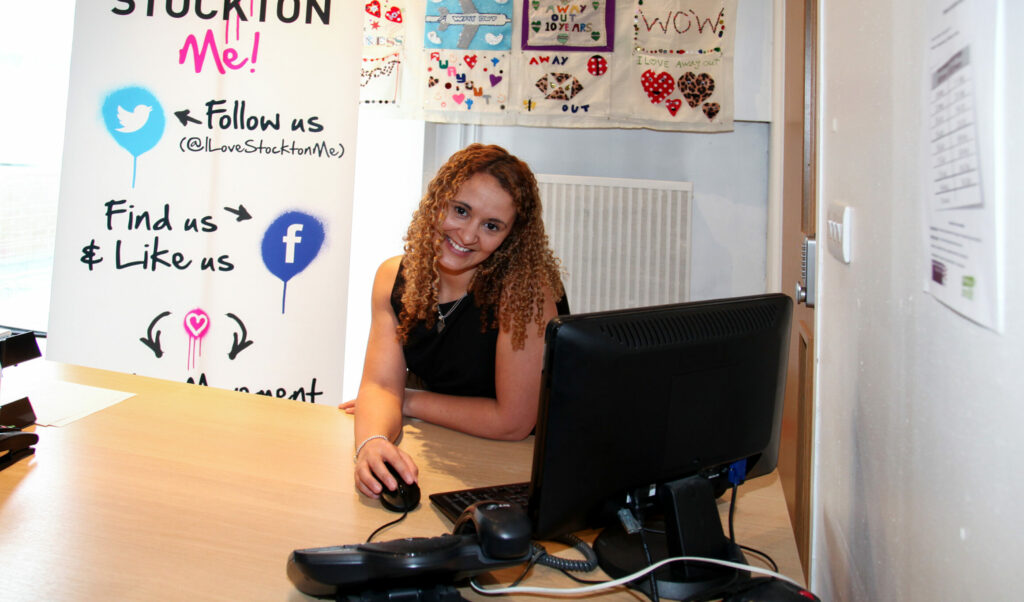
In 2009 I was running a charity for vulnerable women in Stockton on Tees. A single conversation about sharing knowledge changed how I understood leadership — and shaped the next fifteen years of my work.
I remember one afternoon sitting in our drop in centre. It was a large bright, warm space in the middle of town. Women would come in needing warmth, clothing, advice, sometimes simply safety. Some were facing addiction. Some domestic abuse. Some homelessness. Others just needed someone to sit with them for an hour.
It was deeply rewarding but massively hard work.
By that point we had built a team. We were raising income so we could employ counsellors. And putting real structures in place. Policies. Governance. Safeguarding. The invisible foundations that allow compassion to become something sustainable.
And that is when Brian came to speak to me.
He shared his vision for starting a similar project, but focused on men struggling with addiction. He had passion. He had time. He had clarity about the need. What he didn’t yet have was the structure — and this is where he needed my support. Would I offer some of what we had learned to help him set up his own organisation?
The Internal Conflict No One Talks About
I’ll be honest here, there was a flicker of tension inside me.
What if our supporters began giving their funding and time to Brian’s project? What if we had built something only to strengthen a “competitor” and diluted our own sustainability?
In the charity sector we do not often admit this tension, but it exists. Funding is finite. Volunteers are finite. Energy is finite. Scarcity thinking creeps in quietly.
But as I sat there, the conflict dissolved almost as quickly as it appeared. Because the truth was simple.
We were not trying to build empires. We were trying to improve people’s lives and make our town a better place. And if more people were supported, that was success. Not threat.
What I Gave Him
So I shared everything I had learned.
- How to recruit a board of trustees
- What policies he would need
- How safeguarding frameworks actually work in practice
- How to approach funders
- What mistakes to avoid
I handed over templates. Introductions. Lessons that had taken months, sometimes years, to develop and understand.
On the surface, it looked like paperwork. In reality, I was giving him time. Time he would not have to spend making the same errors. Time he could invest in people instead of process. Time he could spend building relationships instead of deciphering governance guidance.
“That is what leadership generosity really is. It is reducing someone else’s learning curve.”
The Myth of Competition in a Sector Built on Care
There is an unspoken narrative that organisations must guard their knowledge to survive. But we are not commercial businesses protecting trade secrets. We are mission driven organisations trying to shift entrenched social problems.
Addiction does not disappear because two charities work in the same town. Poverty does not shrink because only one organisation holds the expertise. Domestic abuse does not lessen because we protect intellectual property.
The scale of the challenges we face demands collaboration, not isolation. And the more I shared, the more I realised something important.
Knowledge multiplies when it is given away.
From Helping One Leader to Building Consortiums
That moment shaped the next fifteen years. If helping one leader strengthened the community response, what would happen if charities formally worked together?
I went on to help establish charity consortiums and also run social impact networks. The aim was simple:
- Share intelligence
- Share infrastructure
- Bid together for funding
- Reduce duplication
- Increase reach
When we pooled our learning, we became more credible. When we collaborated, we could access larger contracts and bring in much needed resources to our communities. Consortium and network thinking is not about ego. It’s about leverage. It’s about understanding that collective capacity is stronger than individual effort.
Why This Matters More Than Ever
Today, charity leaders are under extraordinary pressure. Governance requirements are heavier. Funding is more competitive. Teams are stretched. Impact measurement expectations are rising.
Too many leaders are quietly rebuilding systems from scratch. Too many are sitting late at night writing policies someone else has already written well. Too many feel alone in responsibilities that are complex and weighty.
That isolation is unnecessary. And it is costly.
Charity Builder: Scaling Generosity
Fifteen years after sitting in that drop in centre, helping Brian map out policies at a kitchen table, I find myself building Charity Builder.
On the surface, it is a digital platform powered by AI. In practice, it is a structured support system for charity leaders. Charity Builder brings together governance guidance, policy templates, trustee frameworks, impact tools, funding support and team management systems into one place. It uses intelligent automation to help leaders draft documents, strengthen funding bids, review structures and make confident decisions faster.
But underneath the technology, it’s the same instinct. Collect what leaders have learned. Organise it clearly. Make it accessible. Reduce the learning curve.
Instead of one leader helping one other leader, technology now allows that support to scale across towns, regions and sectors. Not to replace leadership, but to strengthen it. Charity Builder is not about replacing human wisdom. It is about capturing it and making it easier to access. It is structured generosity.
Leadership Is Not a Solo Act
There is a version of leadership that hoards knowledge, protects territory and measures success by exclusivity.
And there is another version. One that says: if I have learned something the hard way, I will make it easier for you. If I have built the framework, I will share the template. If I have navigated the system, I will map it for others. Because the mission matters more than the credit.
When leaders help leaders, impact compounds. And sometimes what begins as a single act of support becomes a philosophy that shapes an entire career.
It did for me.
A question for you
Who made your journey easier?
And who could you make it easier for now?
In a sector built on compassion, perhaps the most radical act is not competing harder, but sharing more.